Ritual
How a papal conclave works inside the Sistine Chapel
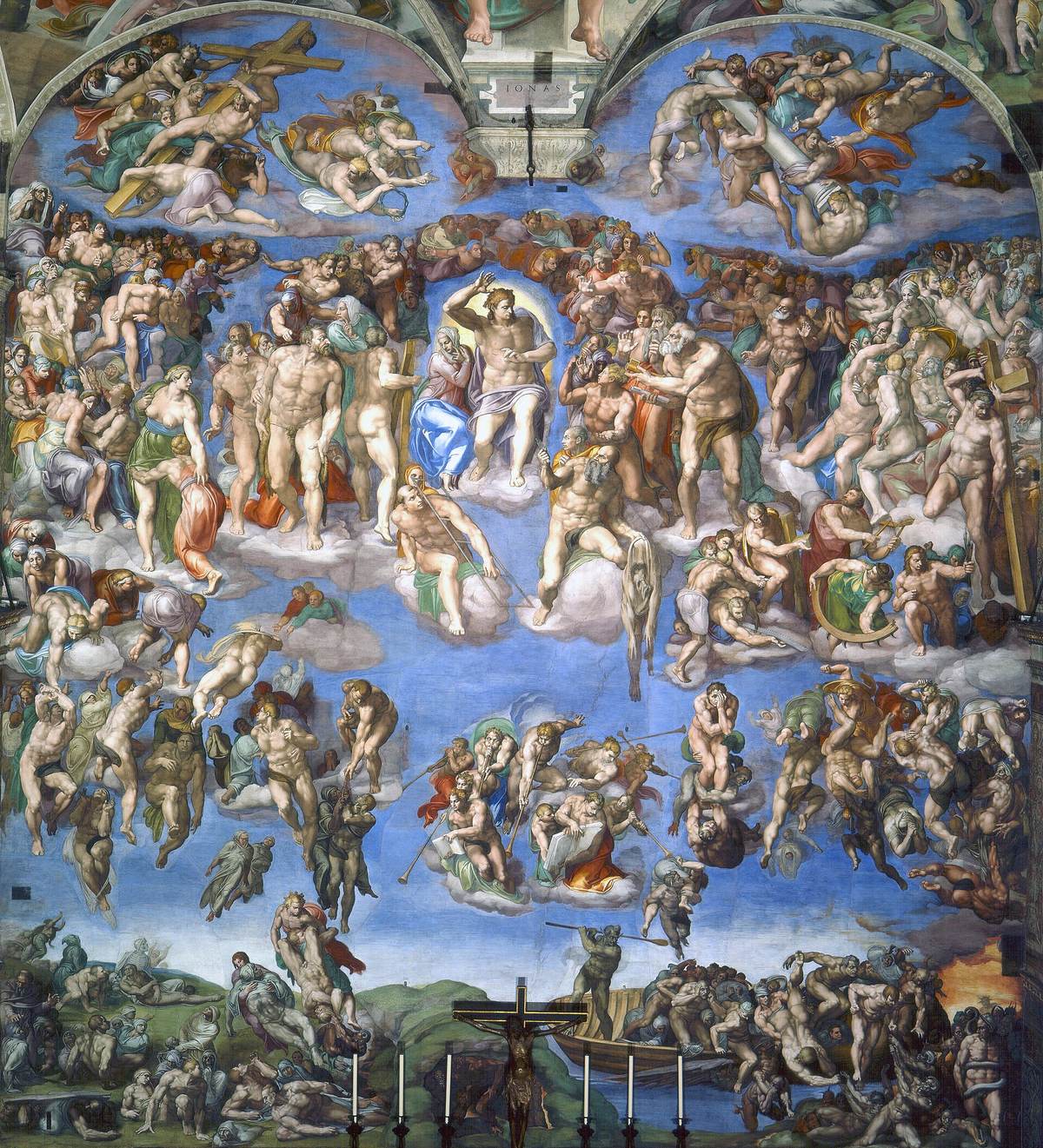
A papal conclave is the closed election in which the College of Cardinals chooses a new pope, held in the Sistine Chapel under Michelangelo's Last Judgment. Cardinal electors under the age of 80 are sealed in, vote up to four times a day by secret written ballot, and continue until one candidate reaches a two-thirds majority.
Key facts
- Where: the Sistine Chapel, every conclave since 1878
- Who votes: cardinals under 80 on the day the see falls vacant
- Majority needed: two thirds of those present
- Voting rhythm: up to four ballots a day after the first afternoon
- Governing rule: the apostolic constitution Universi Dominici Gregis, 1996, as amended
Why here
The Sistine Chapel is the pope's own chapel inside the Apostolic Palace, secure, self-contained and large enough for the College of Cardinals. Every conclave since 1878 has been held there, and the apostolic constitution Universi Dominici Gregis now names it as the place of election. The word conclave comes from the Latin cum clave, with a key: from the thirteenth century onwards, electors were literally locked in after the town of Viterbo grew tired of a three-year deadlock and removed the roof of the palace to hurry the cardinals along.
The setting is not incidental. Cardinals cast their votes facing Michelangelo's Last Judgment, a fresco of divine accountability painted directly behind the altar. Pope Benedict XVI, addressing artists in the chapel, described that wall as a reminder to the electors of the judgement they will themselves face.
Preparing the chapel
The chapel closes to the public for several days before a conclave so that a raised floor, seating, stoves and security screening can be installed, and it stays closed until the new pope is elected and the fittings are removed, usually a total of two to three weeks.
- A temporary wooden floor is laid over the cosmatesque pavement, raised so that every elector can see and be seen, and hiding cabling beneath.
- Twelve tables covered in cloth are arranged in rows along the side walls, with a place for each cardinal.
- Two cast-iron stoves are installed in a corner and linked to a copper flue that runs to a temporary chimney on the roof.
- Technicians sweep the room for listening devices and install jamming equipment; the chapel is checked repeatedly during the conclave.
- Windows are covered and the doors are sealed once the electors are inside.
The sequence, step by step
- Sede vacante. The see becomes vacant on the death or resignation of a pope. The camerlengo takes charge of routine administration; no doctrinal decisions may be made.
- General congregations. All cardinals, including those over 80, meet daily to discuss the state of the Church and to set the start date. The conclave normally begins 15 to 20 days after the vacancy.
- Mass and procession. On the opening day the cardinals celebrate the Mass Pro Eligendo Romano Pontifice in St Peter's Basilica, then process into the Sistine Chapel singing the Litany of the Saints and the Veni Creator.
- The oath. Each elector places a hand on the Gospels and swears to observe the rules and absolute secrecy, on pain of automatic excommunication.
- Extra omnes. The master of papal liturgical celebrations calls out "everyone out", non-electors leave, and the doors are closed.
- Balloting. Usually one ballot is held on the first afternoon, then two each morning and two each afternoon. Each cardinal writes a name on a card printed with the words Eligo in Summum Pontificem, folds it, carries it to the altar, and states an oath before dropping it into an urn.
- Counting. Three scrutineers read every ballot aloud, thread the cards on a string with a needle, and tally the totals. Three revisers check their work.
- Burning. Ballots are burned after each pair of votes, producing the smoke the crowd in St Peter's Square is watching for.
- Acceptance. When a candidate reaches two thirds, the dean asks whether he accepts and by what name he wishes to be known. Acceptance makes him pope immediately.
- Habemus papam. The new pope changes in the Room of Tears beside the chapel, and the senior cardinal deacon announces the election from the loggia of St Peter's.
The smoke, explained
Ballots are burned in a cast-iron stove connected to a temporary chimney on the chapel roof. Since 2005 a second stove burns chemical cartridges to colour the smoke: potassium perchlorate with anthracene and sulphur for black, and potassium chlorate with lactose and pine rosin for white. Before those cartridges were introduced, damp straw and pitch were used, and the results were notoriously ambiguous — grey smoke in 1958 and 1978 sent journalists into confident error. Since 2005, white smoke has also been confirmed by the bells of St Peter's.
How long conclaves take
| Year | Pope elected | Ballots | Duration |
|---|---|---|---|
| 1978 (October) | John Paul II | 8 | 3 days |
| 2005 | Benedict XVI | 4 | 2 days |
| 2013 | Francis | 5 | 2 days |
Modern conclaves are short by historical standards. The election of Gregory X in 1271 took nearly three years, which is precisely why the rules tightened.
What visitors can and cannot see
Nothing of the conclave is visible to visitors: the chapel is closed throughout, and the temporary floor and stoves are removed afterwards. What you can see, on any ordinary visit, is the room itself — the same benches, the same Last Judgment, the same marble screen. Custodians ask for silence partly because this is not a gallery but a working chapel that periodically becomes the most closely watched room in the world.
If a conclave is announced while you are planning a trip, check the Vatican Museums website before booking: closures are announced at short notice and tickets are refunded. Our tickets and opening times page lists the regular closure dates, and the history of the chapel covers how it became the fixed venue for elections.
Conclave questions
Why is the papal conclave held in the Sistine Chapel?
The Sistine Chapel is the pope's own chapel inside the Apostolic Palace, secure, self-contained and large enough for the College of Cardinals. Every conclave since 1878 has been held there, and the apostolic constitution Universi Dominici Gregis now names it as the place of election.
How does the black and white smoke work?
Ballots are burned in a cast-iron stove connected to a temporary chimney on the chapel roof. Since 2005 a second stove burns chemical cartridges to colour the smoke: potassium perchlorate with anthracene and sulphur for black, and potassium chlorate with lactose and pine rosin for white.
Is the Sistine Chapel closed to visitors during a conclave?
Yes. The chapel closes to the public for several days before a conclave so that a raised floor, seating, stoves and security screening can be installed, and it stays closed until the new pope is elected and the fittings are removed, usually a total of two to three weeks.